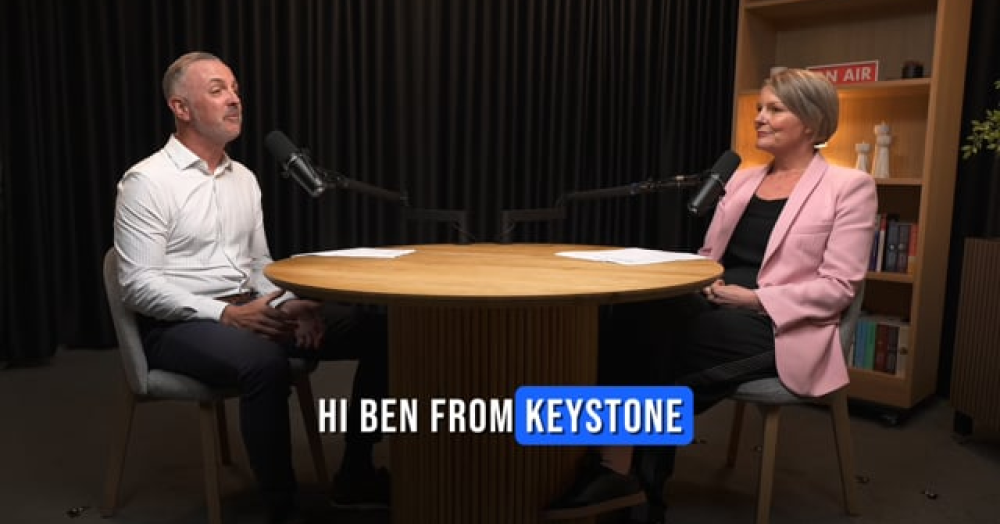

🎙️ Property Solicitor Q&A: Ben Talks Conveyancing, Delays & Moving Home with Steph from SAS Daniels
Buying or selling a home can be exciting, but let's be honest — it can also feel overwhelming.
Between offers, surveys, mortgage approvals and legal paperwork, it's no surprise that conveyancing is one of the most common causes of stress during a move.
In Keystone's latest podcast studio Q&A, Ben sat down with Steph from SAS Daniels to answer some of the most common questions buyers and sellers have about the legal side of moving home.
Steph is a partner within the residential property team at SAS Daniels and specialises in residential conveyancing, helping clients navigate everything from property sales and purchases to remortgages and transfers of equity. Communication and problem-solving are key parts of her approach, particularly when transactions become more complex.
Here are some of the key takeaways from the conversation. 🏡
📑 What Actually Happens During Conveyancing?
One of the biggest questions many homeowners ask is:
"What does a solicitor actually do when I'm buying or selling a property?"
Steph explained that conveyancing involves all of the legal work required to transfer ownership of a property from one person to another.
This includes:
✅ Reviewing contracts
✅ Checking legal ownership
✅ Carrying out searches
✅ Raising enquiries
✅ Liaising with mortgage lenders
✅ Handling the transfer of funds
✅ Registering ownership changes
While much of this happens behind the scenes, it's a crucial part of ensuring buyers are fully protected before completing their purchase. SAS Daniels outlines that the process involves reviewing title documents, searches, enquiries, contracts and mortgage requirements before exchange and completion can take place. (SAS Daniels)
⏰ Why Do Property Sales Sometimes Take Longer Than Expected?
One of the most discussed topics during the Q&A was delays.
Many buyers and sellers assume delays are always caused by solicitors.
In reality, Steph explained that property transactions involve multiple parties, including:
Buyers
Sellers
Estate agents
Mortgage lenders
Surveyors
Management companies
Local authorities
Because so many different people and organisations are involved, delays can sometimes occur outside of everyone's control.
The key is proactive communication.
Steph highlighted how keeping all parties updated throughout the process can often help reduce unnecessary stress and avoid small issues becoming bigger problems. Communication is a core part of SAS Daniels' residential property service, with clients receiving regular updates throughout transactions.
🏠 What Causes the Biggest Problems During a Sale?
According to Steph, many delays can often be traced back to missing information at the start of the process.
This is why sellers are encouraged to prepare key documents as early as possible.
Examples include:
📄 Property information forms
📄 Title documents
📄 Planning permissions
📄 Building regulation certificates
📄 Guarantees and warranties
📄 Leasehold information where applicable
Having documentation ready early can often help transactions progress more smoothly.
💷 Why Choosing the Right Solicitor Matters
Another key theme from the discussion was the importance of choosing the right legal team.
Many homeowners focus heavily on cost when comparing conveyancing quotes.
While cost is obviously important, Ben and Steph discussed how service levels can have a major impact on the overall moving experience.
A good solicitor doesn't simply process paperwork.
They also:
✅ Solve problems
✅ Keep communication flowing
✅ Identify legal issues early
✅ Guide clients through complex situations
✅ Help reduce stress throughout the transaction
For busy professionals, proactive communication can often be one of the most valuable parts of the service.
📈 Thinking About Moving?
Before you start speaking with solicitors, one of the most important first steps is understanding your property's current market value.
Knowing where your home sits within today's market can help you make informed decisions about your next move.
👉 Book your free property valuation today:

Our team will provide honest advice, local expertise and a tailored strategy designed around your goals.
🔑 What's the Difference Between Exchange and Completion?
This is one of the questions buyers ask most often.
Steph explained that:
Exchange of Contracts
This is the point where the transaction becomes legally binding.
Once contracts have been exchanged, both parties are committed to completing the transaction on the agreed date.
Completion
Completion is moving day.
This is when funds are transferred, ownership changes hands and keys are released.
Although many people use the terms interchangeably, they are actually two separate stages within the legal process. SAS Daniels explains that exchange legally commits both parties, while completion is when the final transfer takes place and the buyer receives access to the property.
🚀 How Can Buyers and Sellers Help Their Move Progress Smoothly?
One of Steph's biggest pieces of advice was preparation.
Simple steps can make a huge difference, including:
✔️ Providing requested documents quickly
✔️ Responding to enquiries promptly
✔️ Keeping communication open
✔️ Instructing solicitors early
✔️ Being realistic about timescales
The earlier professionals are involved, the easier it can be to identify and resolve potential issues before they create delays.
🏡 Looking for Your Next Home?
One of the biggest frustrations buyers face is finding out about a great property after it's already gone under offer.
That's why Keystone's Heads Up Property Alerts service is becoming increasingly popular.
By registering, you'll gain early access to selected properties before they appear on the major property portals.
🚀 Register here:

It's completely free and could help you find your next home before anyone else.
🎯 Final Thoughts
The key message from Ben and Steph's conversation was simple:
Property transactions don't have to be stressful when the right people are guiding the process.
Whether you're buying your first home, upsizing, downsizing or relocating, preparation, communication and expert advice can make a significant difference to your experience.
Having trusted professionals around you — from estate agents to solicitors — helps ensure problems are identified early, expectations are managed properly and transactions move forward as smoothly as possible.
For homeowners planning a move in 2026, understanding the legal side of the process is one of the best ways to approach your next move with confidence. 🏡✨